Cooling is usually treated as a mechanical engineering decision, taken once the site is secured and the design team is appointed. By then most of the meaningful options have already been foreclosed, because cooling is not primarily a mechanical decision. It is a land, water, and permitting decision wearing mechanical clothing.
What the cooling choice actually determines
The selection between air-cooled, evaporative, and liquid approaches sets four things that are attributes of the site rather than of the plant.
Water demand. Evaporative approaches consume water continuously. That requires a supply agreement at a volume the local utility may or may not be able to commit, in a catchment that may or may not tolerate it.
Discharge. Blowdown has to go somewhere, with a quality and volume consent behind it. Discharge permitting is frequently the longest regulatory path on the project and is entirely invisible at acquisition.
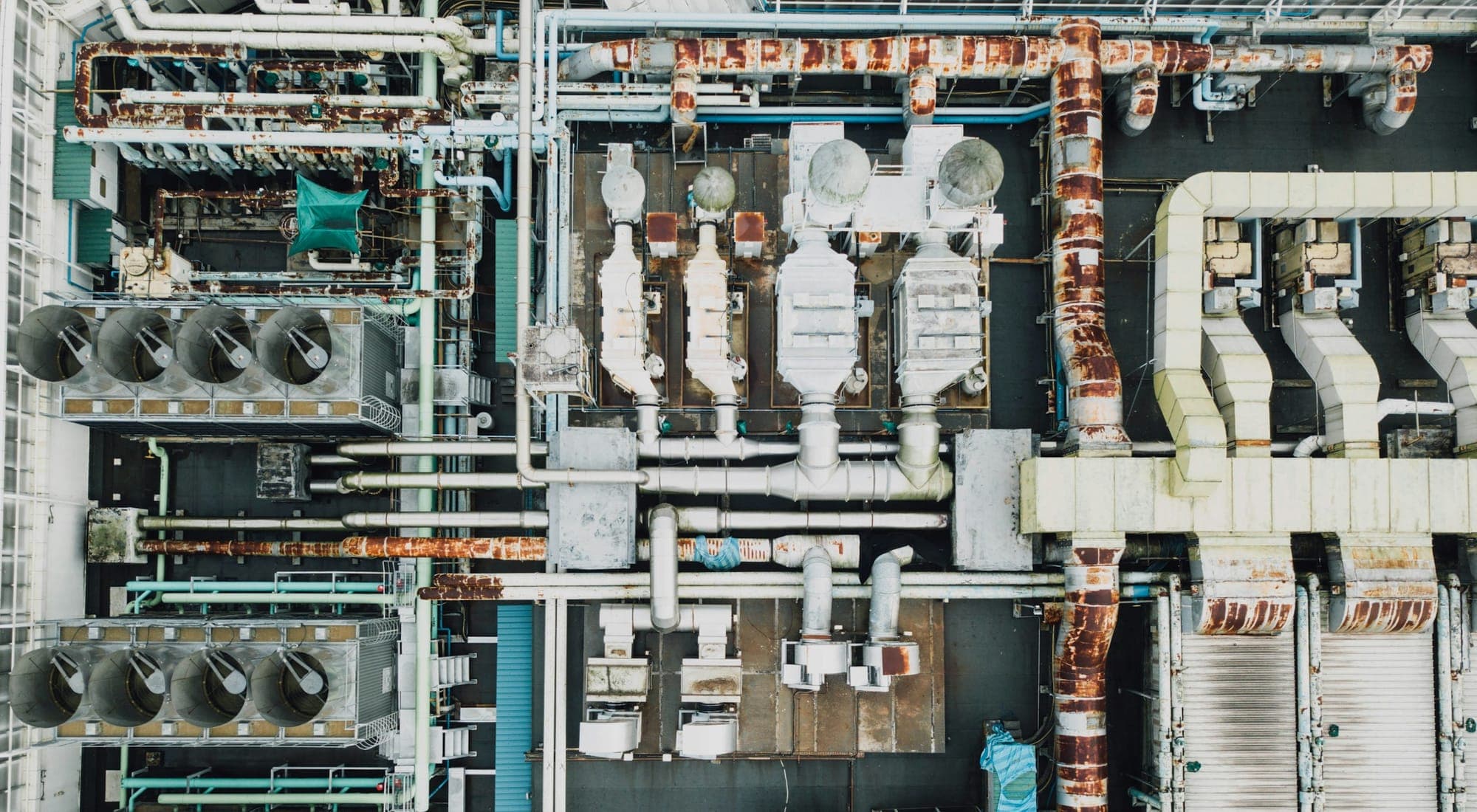
Plot area. Air-cooled plant occupies substantially more external area than the alternatives. A site that works on a spreadsheet at one cooling approach may not physically accommodate another once the yard, the generator compound, and the electrical plant are laid alongside.
Power. Cooling represents a material share of total facility draw, and the share differs by approach. That feeds directly back into the interconnection request — the number in the capacity application depends on a decision that has often not been made when the application is submitted.
Why the sequence goes wrong
The sequence fails for an understandable reason. Site acquisition is a transaction process with its own deadline, run by a team whose expertise is commercial. Cooling selection is a technical process that normally begins once a design team is appointed, which happens after the land is committed.
So the site is bought against an assumed cooling approach that nobody has validated, and the design team inherits a site that may not support the approach the economics actually favor.
The cheapest cooling option is usually eliminated by a decision taken months earlier by people who did not know they were making it.
The questions that belong in acquisition diligence
Before the land is committed, four answers are worth having.
What is the available water supply at this location, in volume terms, and what commitment can the utility actually make? Not what is theoretically available in the catchment, but what will be written into an agreement.
What discharge consent would be required, from which authority, on what timeline, and what is the precedent for approvals of that type in that jurisdiction?
Does the site accommodate the plot area required by the most conservative cooling approach under consideration, alongside everything else that must fit?
And what is the total power draw under each approach, and is the interconnection application consistent with the one most likely to be selected?
The interaction that catches people
The trap is that these constraints interact rather than stacking independently.
A site with constrained water pushes toward air-cooled, which increases plot area and power draw. The increased power draw may exceed the capacity in the interconnection application, triggering re-application and a new queue position. The increased plot area may not fit, pushing the building taller or denser, which changes the structural and electrical design.
One unvalidated assumption at acquisition therefore propagates into the connection queue and the building form — two of the three things that most determine whether the project is deliverable.
Making it a governance item
The remedy is to name cooling as an acquisition gate rather than a design deliverable.
That means a stated cooling strategy, with its water demand, discharge pathway, plot requirement, and power implication documented, before the land commitment is signed. It does not have to be the final selection. It has to be a validated basis, so that if it changes later the project knows exactly what else moves with it.