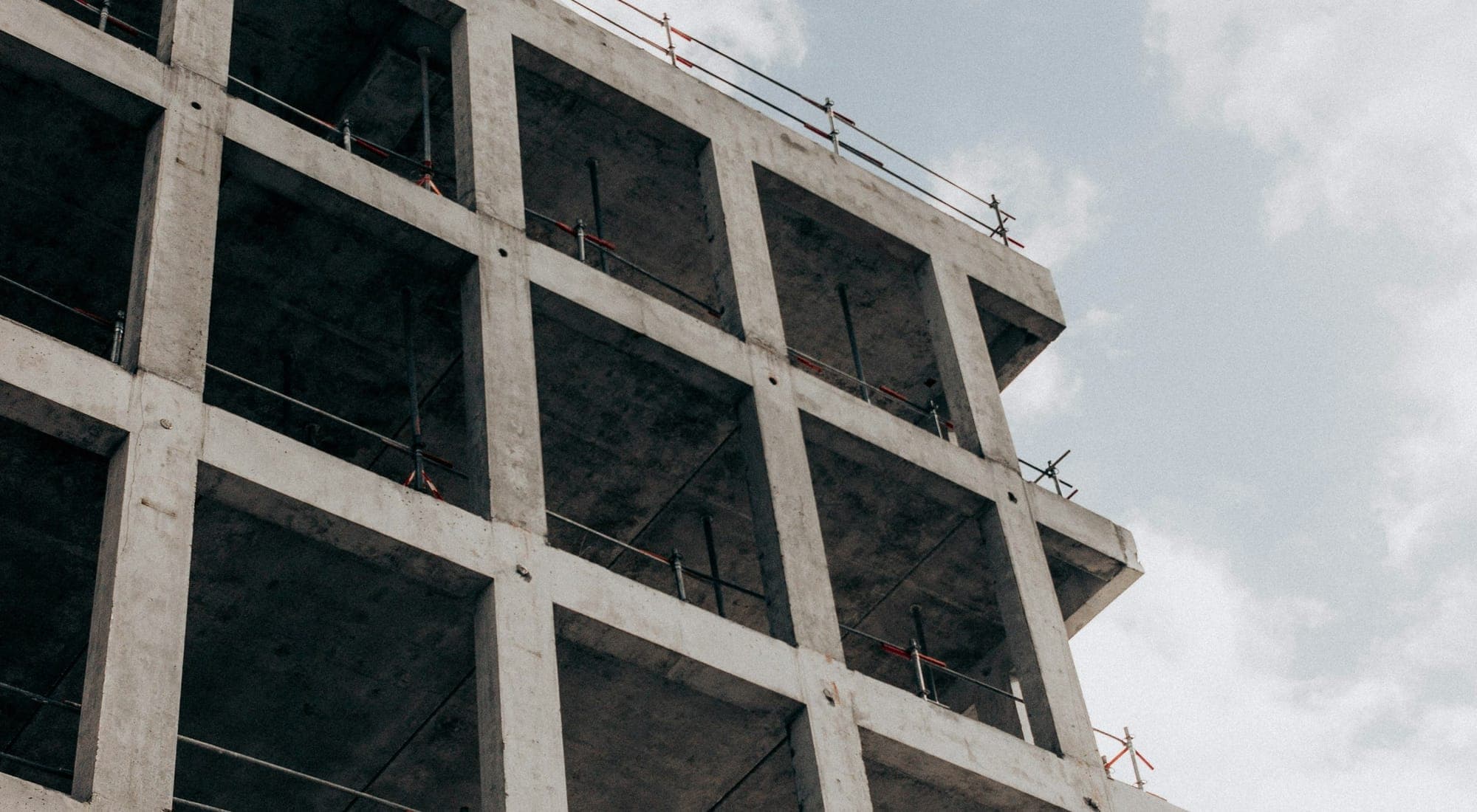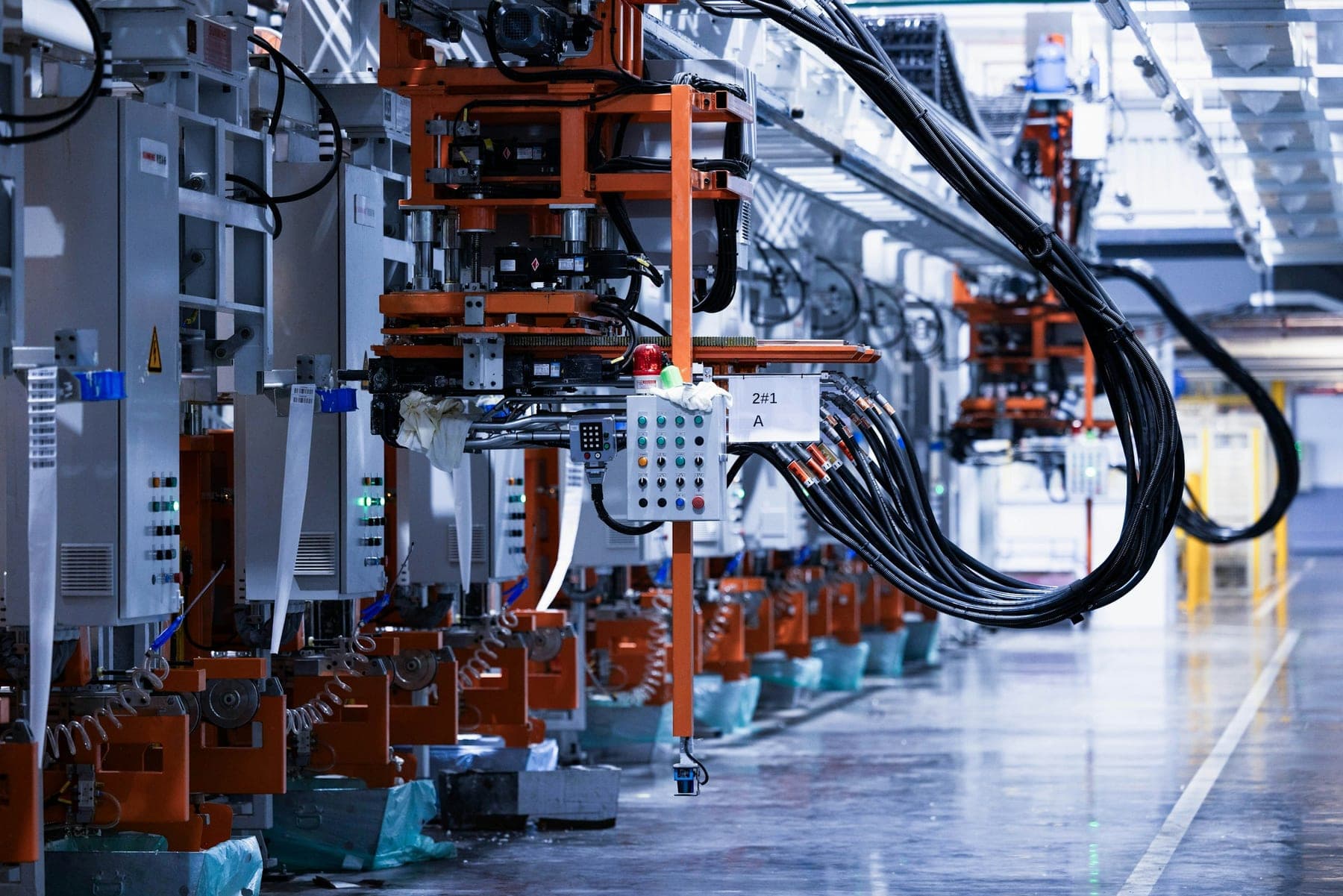
In most construction, the building is the product. In advanced manufacturing it is packaging. The value is in the process — the tools, the utilities that feed them, and the qualification that permits production — and the building exists only to hold that process in the conditions it requires.
Programs that forget this deliver a shell on schedule into a facility that cannot accept equipment.
Why shell completion is the wrong milestone
Shell completion is easy to measure, easy to report, and largely uninformative. The dates that determine commercial outcome are tool move-in, hook-up, and qualification.
Those depend on conditions the shell milestone does not test: whether process utilities are live and stable, whether the cleanroom holds its classification, whether vibration criteria are met with plant running, whether the floor is flat and level to the tolerance the tool requires, and whether the route from the loading dock to the final position will physically accept the equipment.
A project can complete its shell and remain months from accepting a tool.
Process utilities are not building services
The most consistent failure in this sector is scoping process utilities as an extension of building services.
Ultra-pure water, specialty gases, chemical distribution, process vacuum, and process exhaust are not larger versions of the mechanical systems in a commercial building. They have their own purity requirements, their own materials of construction, their own commissioning and validation regimes, and frequently their own specialist contractors.
Scoping them late — after the building design is fixed — means routing them through a structure never dimensioned for them. The consequences are visible in every direction: insufficient service voids, inadequate structural provision for distribution, plant rooms that will not accommodate the equipment, and coordination clashes that surface during installation.
The building should be dimensioned by the process. Where the process is dimensioned by the building, the facility will underperform for its whole life.
Owner-furnished equipment is owner-held risk
Process tools are almost always owner-furnished. That places them outside the contractor's schedule, outside the contractor's risk, and squarely inside the owner's.
The practical consequence is that no single party owns the interface. The contractor is responsible for readiness to receive; the tool vendor for delivery and installation; the owner for procurement and coordination. Where the tool arrives late, the contractor is entitled to relief. Where the facility is not ready, the vendor is.
Owners who manage this well do one thing consistently: they treat the tool delivery schedule as a project-controlled document with the same status as the construction program, and they hold a single accountable interface owner for every tool.
Qualification is a parallel program
Validation and qualification are frequently treated as closeout activities. In a regulated or process-critical facility they are a program running alongside construction, with their own resource, documentation, and dependencies.
Commissioning that begins when construction finishes will finish late. The sequence has to interleave: systems commissioned as they complete, documentation produced as work proceeds, and qualification protocols executed against systems that are stable rather than still being worked on.
Redundancy decided too late
One further pattern is worth naming. Redundancy requirements for process utilities — the standard the operation actually needs to protect production — are often defined after the utility design is set.
Redundancy retro-fitted into a completed distribution design is bought at the worst available price, and sometimes cannot be bought at all within the available space. It belongs with the other decisions that precede design, because it changes the size of nearly everything.
The test worth applying
For any advanced manufacturing program, one question exposes most of the risk: show me the tool install date, and show me every dependency that has to be true for it to hold.
If the answer is a construction program with a milestone called tool install at the end, the project is being managed as a building. If the answer is a dependency map running from process utilities through commissioning to qualification, it is being managed as a facility.